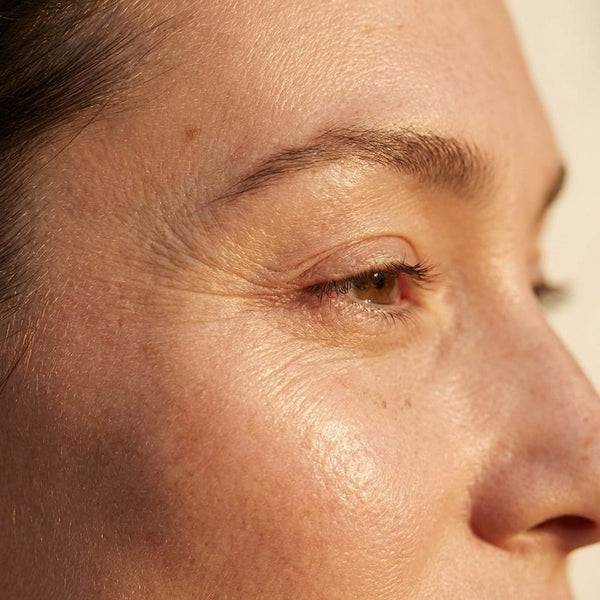
Uneven Skin Tone
Acne scarsPigmentationWrinklesUneven skin tone
Discover products specifically selected to treat your skin concern — with clinically proven ingredients.
Brilliant Niacinamide + Zinc Serum - For Pores, Scars & Uneven Skin
Visibly smaller pores in 14 days
314 kr
449 kr
-30%
Intense Retinol 0.5% + Vitamin E - For Wrinkles, Scars & Pigmentation
Fades dark spots and scars fast
314 kr
449 kr
-30%
Radiant Vitamin C Facial Cleanser - Cleanser for radiance
Dissolves makeup, leaves skin silky smooth
209 kr
299 kr
-30%
FAQs
What causes dark spots?
Melanin production determines your skin tone. While typically balanced, factors like sun damage, scarring, or hormonal shifts can trigger overproduction, leading to dark spots. Hormonal hyperpigmentation is often referred to as melasma.
What is melasma?
Melasma is a common form of hyperpigmentation, particularly in women. It is triggered by hormonal fluctuations, such as those occurring during pregnancy, menopause, or from contraceptive use. These dark patches typically appear on the face, though they can manifest elsewhere.
How can I treat melasma and dark spots?
While hormonal triggers are internal, you can mitigate their visibility. Always prioritize UV protection to prevent worsening. We recommend treatments rich in Vitamin C, AHA acids, Retinol, Niacinamide, or Zinc. A Skinroller PRO can further boost ingredient absorption by up to 200%, supporting the skin’s natural renewal process.
Which ingredients target uneven skin tone?
Look for actives like Vitamin C, AHA acids, Retinol, Niacinamide, and Zinc. These work to inhibit excess melanin production, fade existing hyperpigmentation, and support overall skin health and elasticity.
Understanding the origin of your skin concerns is the first step toward a more balanced complexion. Dark spots and uneven tone are rarely caused by a single factor; they are often the result of sun damage, hormonal fluctuations, or post-inflammatory responses. Melasma, for instance, manifests as brownish or grayish patches, typically on the forehead, cheeks, and upper lip. This is frequently triggered by estrogen changes during pregnancy or the use of hormonal contraceptives, which stimulate melanocytes to overproduce melanin. A successful treatment plan starts with the right foundation. If you are unsure of your skin type, consider these guidelines:
- Dry skin: Seek water-in-oil emulsions rich in lipids and humectants like glycerin to restore the skin barrier.
- Combination skin: Apply lighter, oil-in-water formulas to oily zones and richer, nourishing creams to dry areas.
- Normal skin: Maintain balance with lightweight formulas during the day, opting for lipid-rich treatments at night.
- Oily skin: Use non-comedogenic, oil-free fluids to hydrate without clogging pores.