





Beräknad leverans 2–3 vardagar
14 dagars ångerrätt


Face care
Ingredient
Skin type
Skin concern
Product lines
Populära just nu

Benefits: Anti-aging, Collagen-stimulating, Cell-renewing, Reduces pigmentation
Categories: Anti-Aging, Pigmentation, Enlarged Pores
Skin Types: All skin types, Mature skin
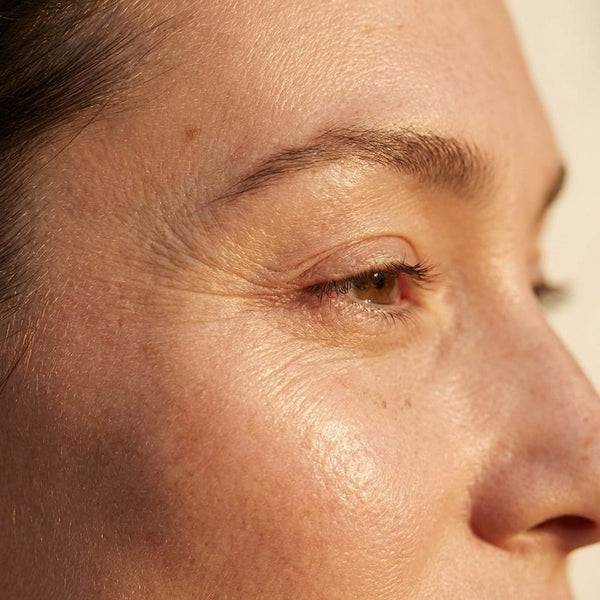
If you want to prevent the appearance of wrinkles, it is important to understand what causes them and what makes your skin look young and fresh. When you notice the first signs of aging, it means the skin's aging process has begun and it is time to start using anti-aging products.
You can both prevent the appearance and reduce the visibility of wrinkles and fine lines with the right skincare routine. Retinol or Vitamin A is a key ingredient that has proven to work excellently in the fight against wrinkles and fine lines.
Retinol is a key ingredient that has proven to work excellently in the fight against wrinkles and fine lines. But why is retinol often called a miracle trick in skincare? The answer is simple: because this vitamin works very well and provides many positive results for various types of skin concerns:
Because of its very small particles, retinol can penetrate deeper into the skin. Products rich in retinol increase collagen production, which helps the skin renew itself. Retinol also acts as an antioxidant, making it a perfect choice against uneven skin tone and various types of inflammation.
Retinol is just one of several retinoids used in skincare. Here are the most common forms, ordered from mildest to strongest:
Retinol can give you and your skin wonderful results, but you must be careful when using skincare products rich in retinol. If you have never used products with retinol before, we recommend starting slowly and with a lower concentration, as the skin can start to flake and itch with products containing too much retinol.


Fades fine lines and shrinks pores


Reviewed by Skinroller's licensed skin therapist.Kojic Acid is a well-known and effective ingredient in modern skincare for reducing uneven pigmentation,...

Benefits: Deeply pore-cleansing, Combats blackheads, Anti-inflammatory, ExfoliatingCategories: Acne, Enlarged Pores.Skin Types: Oily skin, Combination skin, Blemish-prone skin Imagine a smart,...

Benefits: Protects against skin cancer, Prevents wrinkles, Combats pigmentation spots, Preserves skin healthCategories: Anti-Aging, Pigmentation.Skin Types: All skin types Imagine...
Betala som det passar dig. Du väljer i kassan — inget val görs här.
Faktura · från 0 krFri faktura i 14 dagar, längre tid mot avgift
SwishBetala direkt med mobilen
KortVisa, Mastercard och American Express
DelbetalningDela upp köpet på 3 till 36 månader
Alla priser inkluderar moms.
Handla för minst 199 kr ikväll. De 10 första kunderna får en Goodie Bag, ihopplockad av oss, värd ca 1000 kr.
Gäller 22 september 2026 så länge de 10 påsarna räcker.


