





Beräknad leverans 2–3 vardagar
14 dagars ångerrätt



Face care
Ingredient
Skin type
Skin concern
Product lines
Popular right now

Polyglutamic acid, often abbreviated as PGA, is a powerful humectant formed during the fermentation of soybeans. The molecule is relatively large and works primarily on the skin's surface, where it acts as a moisture magnet and attracts abundant water.
On the surface, it forms a protective film that counteracts moisture evaporation during the day, giving the skin a smooth, soft, and plump feel. PGA also has the unique property of being able to help protect the skin's own hyaluronic acid from breaking down.
Benefits: Intensely moisturizing, Plumping, Prevents moisture loss, Provides glow
Categories: Dry skin conditions.
Skin types: All skin types, Dry skin, Dehydrated skin
Imagine an invisible moisture shield for your skin. An ingredient that not only provides moisture but also forms a protective film that locks it in and provides an immediately smooth and silky surface. That is polyglutamic acid, also known as PGA. It is a superstar at hydration and a close relative to the more well-known hyaluronic acid.
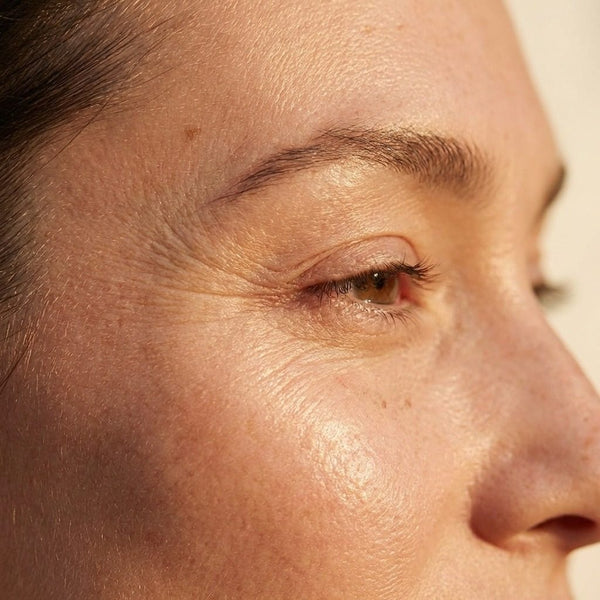
Polyglutamic acid is a large molecule formed during the fermentation of soybeans. Due to its size, it works primarily on the skin's surface. There, it acts as a powerful moisture magnet that attracts and binds large amounts of water. The result is skin that feels deeply hydrated, plump, and dewy all day.
Polyglutamic acid has quickly become a favorite for anyone seeking maximum hydration. It is known for its ability to provide an immediate plumping effect and a soft, smooth feel. Here are its most important benefits:
Polyglutamic acid is an excellent choice for all skin types, but it is a true hero for those with dry, surface-dry, or dehydrated skin thirsting for moisture. It is also perfect for anyone who wants an extra smooth and hydrated base under makeup.
It is easy to include this moisture hero in your routine. It is mild and uncomplicated. Here are our best tips:
Yes, absolutely. Thanks to its large molecular size that works on the surface, the risk of irritation is extremely low. This makes it an excellent and safe choice for sensitive skin that needs moisture.
Yes. Polyglutamic acid works locally on the skin's surface and is considered completely safe to use during pregnancy and breastfeeding.
They are not competitors, but best friends. Think of it like this: Hyaluronic acid hydrates the skin at different levels, while Polyglutamic acid acts as a protective, moisturizing blanket on top. PGA also helps preserve the skin's own hyaluronic acid. They are like a dynamic duo – together they provide unbeatable and complete hydration.
No, it should be seen as a complement. PGA is a humectant that binds water. A moisturizer often also contains softening and protective ingredients (emollients and occlusives) that are necessary to lock in the moisture. Use your PGA serum first, and then follow up with your cream.


Fades fine lines and shrinks pores


Reviewed by Skinroller's licensed skin therapist.Kojic Acid is a well-known and effective ingredient in modern skincare for reducing uneven pigmentation,...

Benefits: Deep pore cleansing, Counteracts blackheads, Anti-inflammatory, ExfoliatingCategories: Acne, Enlarged pores.Skin types: Oily skin, Combination skin, Acne-prone skin Imagine a...

Benefits: Protects against skin cancer, Prevents wrinkles, Counteracts pigmentation, Preserves skin healthCollections: Anti-aging, Pigmentation.Skin types: All skin types Imagine the...
Betala som det passar dig. Du väljer i kassan — inget val görs här.
Faktura · från 0 krFri faktura i 14 dagar, längre tid mot avgift
SwishBetala direkt med mobilen
KortVisa, Mastercard och American Express
DelbetalningDela upp köpet på 3 till 36 månader
Alla priser inkluderar moms.
Handla för över 599 kr så lägger vi med en Brilliant Purifying Pink Clay Mask, värd 399 kr. Från oss till dig.
Gäller så länge lagret räcker.

