



Beräknad leverans 2–3 vardagar
14 dagars ångerrätt



Face care
Ingredient
Skin type
Skin concern
Product lines
Populära just nu

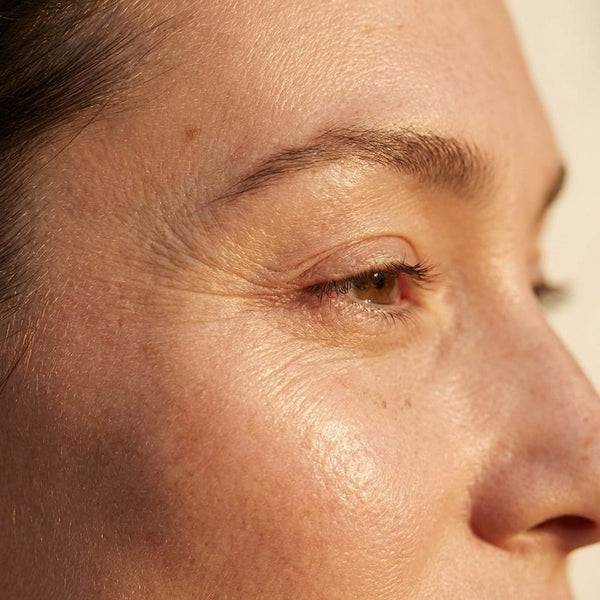
Ashy skin is a common skin condition where the skin looks dry, grayish, or grayish-white and feels textured. It can appear on various parts of the body and has several different causes. In this post, we explain what ashy skin is, what causes it, and how you can prevent and treat the condition.
Ashy skin occurs when the skin is severely dehydrated and has lost its natural moisture. It can also be a side effect of certain medications or underlying health conditions. The condition is often more visible on deeper skin tones, as climate changes can be challenging for the skin. Many confuse this with the skin condition melasma, but these are two completely different things that require different treatments.
There are several factors that contribute to the skin becoming grayish and dry. The most common causes are:
You can prevent and soothe the condition by adjusting your daily routine. Here are some effective measures:
Here we answer the most common questions about this skin condition.
The term refers to dry and flaking skin which, due to a lack of moisture and natural oils, weakens the outer Skin Barrier, giving a grayish appearance similar to ash.
Dry skin often feels tight but looks white and flaky. Ashy skin gets a gray or milk-chocolate-colored surface because dead skin cells and a lack of sebum reflect less light, which is most visible on darker skin tones.
Start with a PHA or lactobionic acid toner once a week. If the skin feels calm after 14 days, you can increase the frequency to every fifth day, but pause immediately if the skin becomes red or tight.
The condition is most commonly seen on elbows, legs, and knees, but cold wind and improper Facial Cleanser can cause the same gray film on the face as well.
" alt="Icon showing navigation arrow to go back to blog


Our most-loved cream for soft skin


Here is how different professions can affect skin health The restaurant industry Working in the restaurant industry means your skin...

Today we spend more time than ever before in front of screens. At the same time, we are becoming increasingly...

Are you one of those who still don't use Vitamin C in your daily Skincare Routine? Then it's time to...
Betala som det passar dig. Du väljer i kassan — inget val görs här.
Faktura · från 0 krFri faktura i 14 dagar, längre tid mot avgift
SwishBetala direkt med mobilen
KortVisa, Mastercard och American Express
DelbetalningDela upp köpet på 3 till 36 månader
Alla priser inkluderar moms.
Handla för minst 199 kr ikväll. De 10 första kunderna får en Goodie Bag, ihopplockad av oss, värd ca 1000 kr.
Gäller 22 september 2026 så länge de 10 påsarna räcker.


