





Beräknad leverans 2–3 vardagar
14 dagars ångerrätt



Face care
Ingredient
Skin type
Skin concern
Product lines
Popular right now

Exfoliation is one of the most effective – and most misunderstood – steps in a skincare routine. Done right, it gives smooth, even, and radiant skin. Done wrong, it can damage the skin barrier. Here we go through what exfoliation is, the difference between mechanical and chemical peeling, how often you should do it, and how to avoid the most common mistakes.
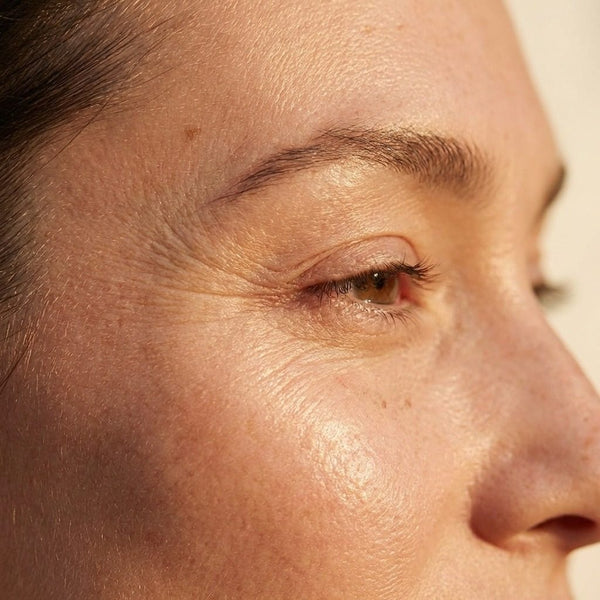
Exfoliation involves removing dead skin cells from the skin's surface to improve the skin's texture and color. It is an important part of a skincare routine to keep the skin healthy and radiant. The skin renews itself naturally, but with age, the process slows down – and then dead skin cells can accumulate and make the skin dull, uneven, and dry. Exfoliation helps the skin along.
This is what exfoliation does for the skin:
There are two main types of exfoliation, and they work in completely different ways.
Mechanical exfoliation involves using a product with small grains or a tool to scrub away dead skin cells. This can be scrubs, facial brushes, or peeling pads. It is important to choose a product with suitable grain sizes for your skin type and not to scrub too hard, to avoid irritation and damage to the skin.
Chemical exfoliation involves using a product with acids that dissolve the bonds between dead skin cells – without scrubbing. The most common are:
For most people, chemical exfoliation gives a more even result than mechanical, as it does not tear at the skin.
The most important thing is to choose the right type of exfoliation for your specific skin and to follow the instructions. Keep in mind:
It depends on your skin type and the product's strength. For most people, 1–2 times a week is recommended. Sensitive skin may need to exfoliate less often, while oily skin can often tolerate it a bit more frequently. If you are unsure, consult a trained and authorized skin therapist.
Exfoliation is gentle – as long as you do not overdo it. The most common mistakes:
An over-exfoliated skin is characterized by sensitivity, redness, dryness, irritation, and flaking skin. It can also make the skin more prone to wrinkles and breakouts because the protective barrier layer has been damaged. If you get these signs – pause all exfoliation and focus on hydration and barrier care until the skin has calmed down.
Yes, but choose a mild method – a PHA acid or an enzyme – and start once a week. Wait and see how the skin responds before doing it more often.
AHA suits dry, dull, and mature skin. BHA (salicylic acid) suits oily and acne-prone skin because it deeply cleanses the pores. If you have both dry and oily areas, you can use them on different areas.
For most people, it is too often and risks damaging the barrier. Stick to 1–2 times a week unless you have specifically been advised otherwise by a skin therapist.
The evening is usually best, especially with acids, because the skin then recovers during the night and you do not expose newly exfoliated skin to the sun immediately.
After. Cleanse first so the skin is clean, then exfoliate, and finish with serum and moisturizer.


Here is how different professions can affect skin health The restaurant industry Working in the restaurant industry means your skin...

Today we spend more time than ever before in front of screens. At the same time, we are becoming increasingly...

Are you one of those who still don't use Vitamin C in your daily Skincare Routine? Then it's time to...
Betala som det passar dig. Du väljer i kassan — inget val görs här.
Faktura · från 0 krFri faktura i 14 dagar, längre tid mot avgift
SwishBetala direkt med mobilen
KortVisa, Mastercard och American Express
DelbetalningDela upp köpet på 3 till 36 månader
Alla priser inkluderar moms.
Handla för över 599 kr så lägger vi med en Brilliant Purifying Pink Clay Mask, värd 399 kr. Från oss till dig.
Gäller så länge lagret räcker.