


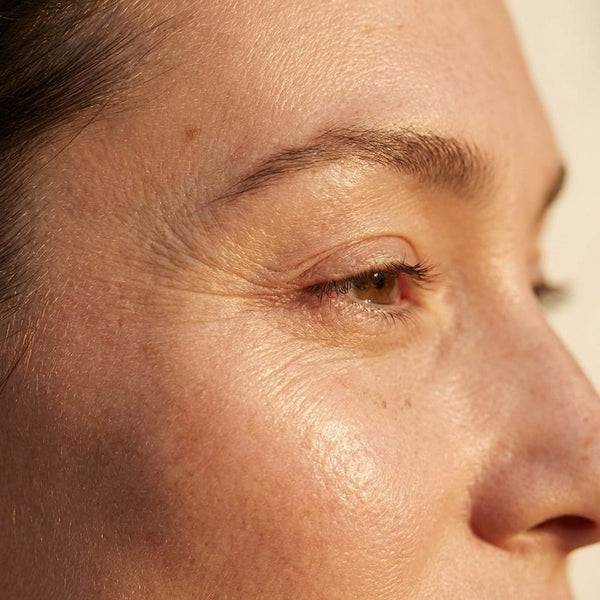


Skincare with Retinol
Retinol skincare can be confusing. The most important thing is to understand which ingredients suit your skin. What ingredients a skin needs is highly individual and there is absolutely no one-size-fits-all answer. Vitamin A is an ingredient that I recommend to many customers, precisely because Retinol works for so many different skin conditions. What makes Vitamin A special? How do you use a Retinol cream? Is Retinol dangerous? We'll go through the basics of this super ingredient. Read on to learn the science behind Retinol.
Retinoids and Vitamin A Through History
Retinoids are powerful skincare ingredients that are all derived from Vitamin A. They have proven to be effective at reducing wrinkles and acne. As early as the 1930s, it was discovered that a deficiency in Vitamin A can contribute to the skin aging faster. In the 1940s, the first forms of Vitamin A were developed: Retinyl Palmitate and retinoic acid. In the mid-1950s, Retinyl Palmitate began to be used to treat aged skin. In 1964, a study showed that oral intake of Retinol supplements could protect the skin from sun damage. Five years later, retinoic acid, also known as Tretinoin or Retin-A, began to be used to treat acne. It was later discovered that a Retinol cream also improves sun-damaged and aged skin.
In 1987, Dr. Des Fernandes proved that Retinyl Palmitate provides clear results in repairing photo-damaged skin. In summary, retinoids, such as Retinol, Retinyl Palmitate, and Tretinoin, are essential ingredients for scar treatment, anti-aging, and clearing breakouts.
The Need for Vitamin A
As we age, the skin's need for Vitamin A increases. This is because Retinol, an active form of Vitamin A, is broken down by UV light and oxygen. Using skincare with Retinol is therefore a crucial step to strengthen and protect the skin.
If you have dry skin or are sensitive to strong skincare products, a Serum or Retinol cream with Retinyl Palmitate, such as our INTENSE Retinol + Vitamin E, can be a gentle alternative. A Retinol Serum or a Face Cream with Vitamin A are excellent choices for replenishing the skin with this essential vitamin.
The Vitamin A Conversion Process
The skin has its own process where Retinyl Palmitate is converted into Retinol, the form of Vitamin A the skin uses. Following that, two more steps occur:
Conversion to retinaldehyde.
Conversion to retinoic acid, which is the same active form used in medical products like Tretinoin or Retin-A. It is precisely this conversion process that makes Retinol and Retinyl Palmitate such powerful skincare ingredients. They help with everything from aged skin to sun damage and are ideal for those who want a healthier complexion.
The Function of Retinoids
The result of retinoids is that they speed up cell renewal so that dead skin cells are shed faster and new, healthy cells come to the surface. A myth about retinoids is that they thin our skin, which is not true at all - instead, they stimulate collagen production. Collagen plumps the skin, making it smooth and firm. Another positive effect of retinoids is that they reduce and prevent pigmentation. Because cell renewal is accelerated, pigmentations are moved closer to the skin's surface. Retinoids also have an inhibiting effect on the skin's melanin production and improve the appearance of pores.
Different Types of Vitamin A
All different forms of retinoids must be converted into retinoic acid on the skin to have an effect. An exception is Tretinoin, which is already pure retinoic acid from the start.
Tretinoin
Pure retinoic acid. The most strong
Bäst rankade produkter inom Retinol (Vitamin A)


Retinol (Vitamin A) + Vitamin E Serum 0.25% - Anti-Aging Serum
Fades fine lines and shrinks pores
189 kr
329 kr
40% rabatt


Bestseller
Intense Retinol 0.5% + Vitamin E - For Wrinkles, Scars & Pigmentation
Fades dark spots and scars fast
269 kr
449 kr
40% rabatt


Bestseller
Magic Trio Serum Set - Three Facial Serums
3 serums for clear skin in 14 days
679 kr
1 142 kr
40% rabatt


Vitamin C & Retinol Serum Kit - Powerful serum kit
Our bestselling AM/PM serum duo
359 kr
599 kr
40% rabatt
Leave a comment
Relaterade artiklar

- March 05, 2026
Here is how different professions can affect skin health The restaurant industry Working in the restaurant industry means your skin...

- March 05, 2026
Today we spend more time than ever before in front of screens. At the same time, we are becoming increasingly...

- March 05, 2026
Are you one of those who still don't use Vitamin C in your daily Skincare Routine? Then it's time to...