


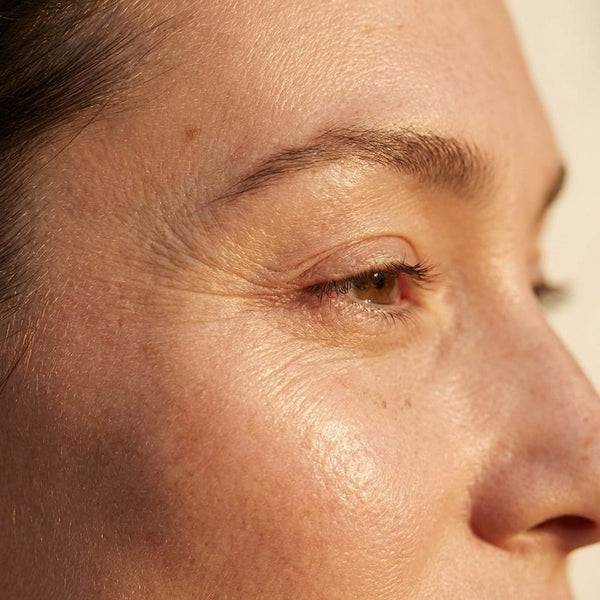


Everything you need to know about Retinol
Retinol is a form of Vitamin A that is scientifically proven to stimulate cell renewal, improve skin texture, and provide a more even skin tone. Skincare with Retinol has long been an effective treatment for acne, pigmentation spots, and fine lines by promoting Collagen production.
What is Retinol?
Retinol consists of small molecules that penetrate deep into the skin layers and convert into retinoic acid. There are three main types of retinoids:
- Tretinoin: A strong acid used in prescription medications.
- Retinyl Palmitate: A milder ester form common in regular skincare.
- Retinal: An aldehyde that converts to acid and has antibacterial properties, making it effective against acne.
Benefits of Retinol
" alt="Retinol before and after results in acne scar treatment" />
Retinol acts as a cell-communicating ingredient that prompts aged skin cells to behave like young skin cells. It stimulates the production of Collagen and elastin, resulting in firmer skin and reducing the appearance of wrinkles. Besides anti-aging effects, Retinol can reduce hyperpigmentation and regulate sebum production, making it useful for both mature and blemish-prone skin.
The science behind Vitamin A
Vitamin A is stored in the body as retinyl esters and is converted when needed into Retinol, then Retinaldehyde, and finally retinoic acid. It is the retinoic acid that is the active form the skin utilizes. Because Retinaldehyde is closer to the active acid in this chain, results can often be seen faster when using Retinaldehyde compared to Retinol.
Retinol vs Retinal
The main difference is the speed of results and skin tolerance. Retinal often provides faster results and has antibacterial properties, making it suitable for problem skin, while Retinol is a classic anti-aging ingredient that suits many Skin Types.
Retinol for sensitive skin
Retinyl Palmitate is the mildest form of Vitamin A and is an excellent choice for those with sensitive skin. Products like Intense Retinol + Vitamin E offer a gentle yet effective entry into the world of Retinol.
Retinol in different formats
You can find Retinol in everything from serums to Face Creams. Serums are often more concentrated and go deeper into the skin. When using Retinol, it is important to add extra moisture, as the skin can become dry. For the skin around your eyes, you should use a dedicated Eye Cream since the skin there is significantly thinner.
Important to remember when using
Retinol is a powerful ingredient that can cause redness, dryness, and peeling during the adjustment period. Use Retinol primarily in the evening and be sure to apply a high Sun Protection Factor (SPF) during the day, as the skin becomes more sensitive to UV radiation. Ideally, supplement with antioxidants like Vitamin C in the morning for extra protection.
How to start with Retinol
- Choose the right product: Start with a mild variant, for example, Retinyl Palmitate.
- Introduce it slowly: Start by using the product 1–2 times a week and gradually increase to 3–4 times.
- Be consistent: Results do not happen overnight; it often takes around 16 weeks to see clear improvemen
Bäst rankade produkter inom Retinol (Vitamin A)


Retinol (Vitamin A) + Vitamin E Serum 0.25% - Anti-Aging Serum
Fades fine lines and shrinks pores
189 kr
329 kr
40% rabatt


Bestseller
Intense Retinol 0.5% + Vitamin E - For Wrinkles, Scars & Pigmentation
Fades dark spots and scars fast
269 kr
449 kr
40% rabatt


Bestseller
Magic Trio Serum Set - Three Facial Serums
3 serums for clear skin in 14 days
679 kr
1 142 kr
40% rabatt


Vitamin C & Retinol Serum Kit - Powerful serum kit
Our bestselling AM/PM serum duo
359 kr
599 kr
40% rabatt
Leave a comment
Relaterade artiklar

- March 05, 2026
Here is how different professions can affect skin health The restaurant industry Working in the restaurant industry means your skin...

- March 05, 2026
Today we spend more time than ever before in front of screens. At the same time, we are becoming increasingly...

- March 05, 2026
Are you one of those who still don't use Vitamin C in your daily Skincare Routine? Then it's time to...