


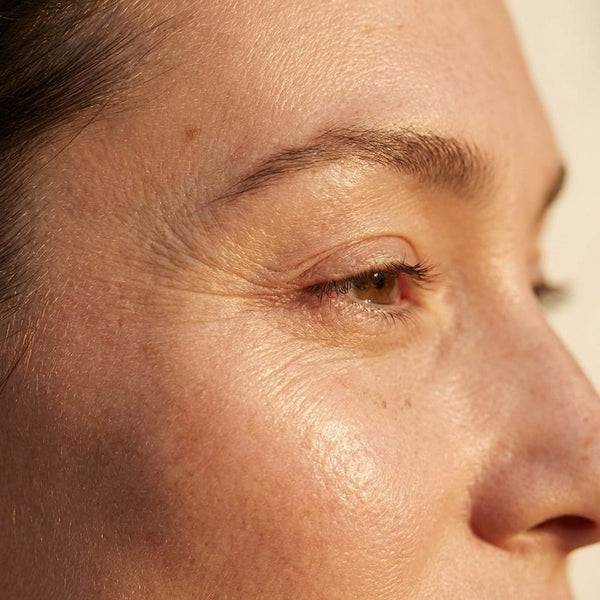


Skin problems linked to depression
A large study conducted at Lund University showed a clear connection between itching and depression as well as suicidal thoughts. This study focused on people with various skin diseases that cause itching. It is also a known fact that many with acne and other skin conditions clearly visible on the face feel it's tough to meet new people or be in photos. When your appearance stops you from living a normal everyday life, it naturally impacts your mental health.
Dermatologist Dr. Anjali Mahto explains: "Most of my patients have underlying issues with their mental health. It's hard not to when you're battling a chronic skin disease. A lot of the issues revolve around a sense of control or lack thereof. If you have a chronic illness like acne or Rosacea, it can be very difficult to wrestle with psychologically."
We have all tried to hide a pimple, and many of us have felt ashamed of going makeup-free. It is natural, but the truth is that most people don't feel their best when they perceive their skin doesn't look the way they desire. Here it’s about finding a balance. Some things we can change, but what we cannot affect we must learn to accept so as not to let it get in the way of our happiness.
Cosmoholics – addicted to makeup

Just as one can become addicted to alcohol, sugar, or shopping, one can become addicted to makeup. It's a phenomenon that has gained more attention in recent years, and those who have developed this addiction are called cosmoholics.
A cosmoholic is someone who buys makeup in large quantities without considering the cost or whether they even need the products. This type of addiction goes hand in hand with many feeling they must wear makeup when they go out. In some cases, this is compulsive behavior. In a study involving 1292 women, 44% admitted to having lower self-esteem when they were not wearing makeup. Psychologist Dr. Seema Hingorrany explains: "People who have a strong desire to please others also have a strong need to look good. This makeup addiction is like an obsessive-compulsive disorder."
Skincare that promotes well-being

However, not all beauty care makes us feel worse mentally; quite the opposite. Taking a long bubble bath after a stressful day or painting your nails in a cheerful color can really lift your mood. When we take the time to care for ourselves, we show that we are worthy of care and attention. Moreover, many beauty rituals are inherently stress-relieving, and stress is a culprit when it comes to our psychological well-being.
When we get a massage, feel-good hormones are released, and fragrant creams help us relax. The most important thing is that making yourself look good should feel enjoyable. If it feels like a compulsion, you need to find a way out of that vicious cycle.
Bäst rankade produkter inom Bestsellers


Bestseller
Brilliant Purifying Pink Clay Mask - Face Mask
Deep cleans without that tight feel
239 kr
399 kr
40% rabatt


Bestseller
3 variants


Bestseller
10% Vitamin C Serum + Hyaluronic Acid - Radiance Serum
Fades dark spots and boosts glow
189 kr
329 kr
40% rabatt


Bestseller
Radiant Vitamin C Serum 15% Booster - Radiance Serum
Fades scars and firms skin
299 kr
499 kr
40% rabatt


Bestseller


Bestseller
Vitamin C Brightening & Glow Cream Neutriherbs
Our most-loved cream for soft skin
269 kr
449 kr
40% rabatt


Bestseller


Bestseller
Leave a comment
Relaterade artiklar

- March 05, 2026
Here is how different professions can affect skin health The restaurant industry Working in the restaurant industry means your skin...

- March 05, 2026
Today we spend more time than ever before in front of screens. At the same time, we are becoming increasingly...

- March 05, 2026
Are you one of those who still don't use Vitamin C in your daily Skincare Routine? Then it's time to...