


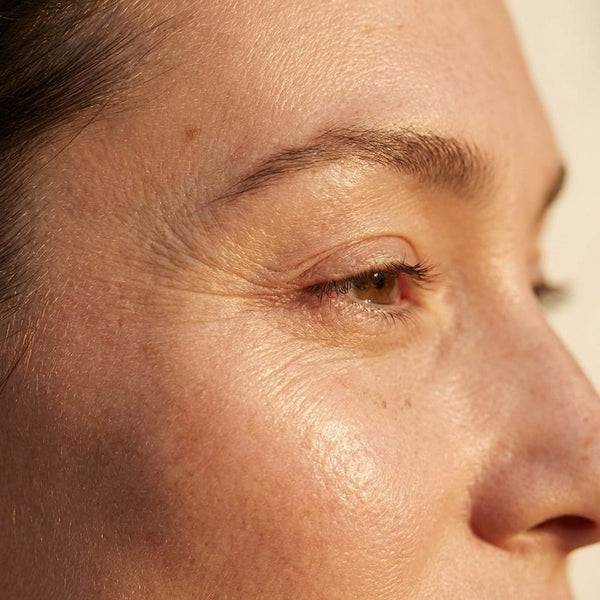


Benefits: Intensely hydrating, Emollient, Mildly exfoliating, Barrier-strengthening
Categories: Dry Skin Conditions, Scars and Cracks.
Skin Types: Dry skin, Very dry skin, Mature skin
Imagine an ingredient that can give your dry skin exactly what it lacks. An ingredient that your skin instantly recognizes and welcomes. This is urea. It is one of the most effective and proven ingredients for treating dryness, as it is a natural part of the skin's own moisture system.
Urea is a true all-rounder. In low doses, it acts as a super-hydrator that attracts and binds water in the skin. In higher doses, it gains a second superpower: it can dissolve and soften hard, dry, and flaking skin. This makes it a hero for everything from surface dry facial skin to cracked heels.
Benefits of Urea
Urea is a gold standard ingredient recommended by dermatologists worldwide for its reliable and dual action. It provides both immediate relief and long-term improvement for dry skin. Here are its key benefits:
- Provides superior hydration: Urea is one of the most effective humectants available. It significantly increases the water content in the skin's outermost layer, counteracting dryness and tightness.
- Softens and exfoliates: In higher concentrations, urea has a keratolytic effect. This is a technical word meaning it can dissolve the protein bonds holding dry, dead skin cells together. This makes it fantastic for softening calluses and flaking skin.
- Strengthens the skin's protective barrier: Urea doesn't just help hydrate; it also strengthens the skin's barrier function. This reduces moisture loss and makes the skin more resilient against external stress.
- Relieves itching: Dry skin often itches. Urea has a proven effect in soothing and reducing the itching associated with extreme dryness and eczema.
Skin Types and Uses
Urea is the best friend of all types of dry skin. Depending on the concentration, it can be used for various purposes, from daily hydration to intensive treatment of problem areas.
- In lower doses (under 10%): For dry, surface dry, or mature facial skin that needs daily, intensive moisture.
- In higher doses (over 10%): As a special treatment for cracked heels, dry elbows, calluses, and bumpy skin (keratosis pilaris).
- To soothe and hydrate skin prone to eczema or psoriasis.
How to use Urea
It is easy to use urea, but it is important to choose the right product for the right purpose. Here are our best tips:
- Application: On the face, use a moisturizer with a lower concentration (2-10%). For the body, use a richer cream with a higher concentration (10-40%) and focus on specific problem areas.
- Frequency: Can be used every day. For the best effect on very dry areas, feel free to use it both morning and evening.
- Timing: Perfect after a shower or bath when the skin is still slightly damp. This helps to lock in extra moisture.
- Combine with: Urea is an excellent team player and works well with most other ingredients. It can even help other active substances penetrate the skin better.
Common Questions
Is Urea safe for sensitive skin?
Yes, in low concentrations, urea is very safe and often recommended for sensitive, dry skin. In higher concentrations, however, it can cause a mild, temporary stinging sensation, especially if the skin is cracked. This is normal and not dangerous.
Can I use a foot cream with high levels of Urea on my face?
No, it is re
Bäst rankade produkter inom Bestsellers


Bestseller
Brilliant Purifying Pink Clay Mask - Face Mask
Deep cleans without that tight feel
239 kr
399 kr
40% rabatt


Bestseller
3 variants


Bestseller
10% Vitamin C Serum + Hyaluronic Acid - Radiance Serum
Fades dark spots and boosts glow
189 kr
329 kr
40% rabatt


Bestseller
Radiant Vitamin C Serum 15% Booster - Radiance Serum
Fades scars and firms skin
299 kr
499 kr
40% rabatt


Bestseller


Bestseller
Leave a comment
Relaterade artiklar

- April 04, 2026
Benefits: Deeply pore-cleansing, Combats blackheads, Anti-inflammatory, ExfoliatingCategories: Acne, Enlarged Pores.Skin Types: Oily skin, Combination skin, Blemish-prone skin Imagine a smart,...

- April 04, 2026
Benefits: Protects against skin cancer, Prevents wrinkles, Combats pigmentation spots, Preserves skin healthCategories: Anti-Aging, Pigmentation.Skin Types: All skin types Imagine...

- April 04, 2026
Benefits: Hydrating, Mildly exfoliating, Provides radiance, Barrier-strengtheningCategories: Dry Skin Conditions, Uneven Skin Tone.Skin Types: All skin types, Dry skin, Sensitive...