


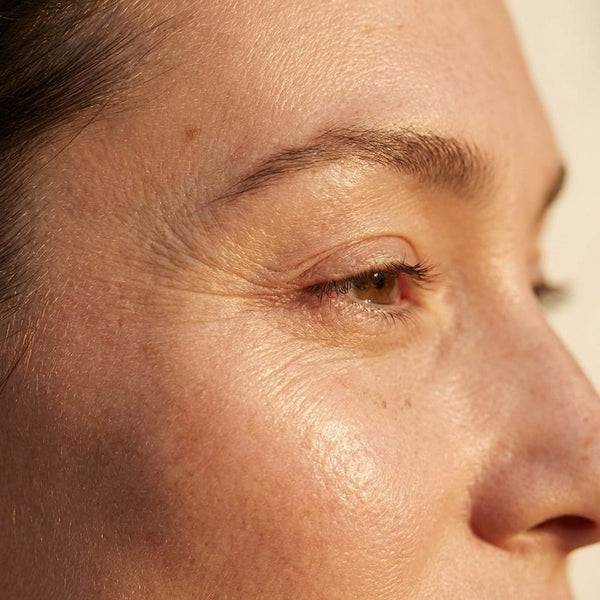


Benefits: Deeply pore-cleansing, Combats blackheads, Anti-inflammatory, Exfoliating
Categories: Acne, Enlarged Pores.
Skin Types: Oily skin, Combination skin, Blemish-prone skin
Imagine a smart, chemical bottle brush for your pores. An ingredient that is an expert at diving down into the pore and dissolving the plug of sebum and old skin cells that causes blackheads and breakouts. This is salicylic acid. It is the most well-known and effective beta hydroxy acid (BHA), and a true hero for oily and blemish-prone skin.
Salicylic acid's superpower is that it is oil-soluble. Unlike water-soluble AHA acids, which primarily work on the skin's surface, salicylic acid can penetrate the skin's oil. This allows it to exfoliate and clean deep down, exactly where the problems often start.
Benefits of Salicylic Acid
- Dissolves blackheads: This is salicylic acid's specialty. By exfoliating inside the pores, it helps dissolve the plugs that form both blackheads and whiteheads.
- Combats pimples and blemishes: Besides keeping pores clear, salicylic acid has strong anti-inflammatory properties. This helps soothe the redness and irritation associated with inflamed acne.
- Improves the appearance of enlarged pores: When the pores are cleared of sebum and dirt, they can contract and thus appear smaller.
- Exfoliates the skin surface: Just like AHA acids, it also helps remove dead skin cells from the surface, providing smoother and softer skin with more radiance.
Skin Types and Uses
Salicylic acid is the perfect ingredient for those with oily, combination, or blemish-prone skin.
- To treat and prevent blackheads and whiteheads.
- To soothe inflamed acne and reduce redness.
- To control excess oil and keep the skin more matte.
- To improve skin texture and reduce the visibility of enlarged pores.
How to use Salicylic Acid
- Application: Most commonly used in toners, serums, or spot treatments. Apply a thin layer to cleansed and dry skin.
- Frequency: Start slowly. Use it 2-3 times a week in the evening. Overuse is the most common cause of irritation.
- Timing: Best used in the evening. Use a sunscreen with high SPF every morning.
- Combine with: Always follow up with a hydrating and soothing moisturizer. Avoid using it in the same routine as other strong acids or retinol.
Common Questions
Is Salicylic Acid safe for sensitive skin?
It depends. For oily skin that is sensitive, it can work excellently thanks to its anti-inflammatory properties. For dry and sensitive skin, however, it can be too drying. Always start with a low concentration.
Can I use Salicylic Acid while pregnant?
Most experts believe that the low concentrations (up to 2%) found in at-home skincare are safe. But as a precaution, many choose to avoid it during pregnancy. Always consult with your doctor.
I have an allergy to aspirin, can I use Salicylic Acid?
No. Salicylic acid belongs to the same chemical family (salicylates) as aspirin. If you have a known allergy to aspirin, you should absolutely avoid products with salicylic acid.
What is the difference between Salicylic Acid (BHA) and AHA acids?
The biggest difference is their solubility. AHA acids are water-soluble and work best on the skin's surface to improve texture and radiance. Salicylic acid (BHA) is oil-soluble and is an exp
Bäst rankade produkter inom Salicylic Acid (BHA Acid)


Bestseller
Brilliant Anti-Acne - Blemish Face Cream
Clears breakouts and soothes redness
239 kr
399 kr
40% rabatt


3 variants
Renewal & Glow - At-Home Microneedling Starter Kit
Gentle start to microneedling
599 kr
999 kr
40% rabatt


Bestseller
Magic Trio Serum Set - Three Facial Serums
3 serums for clear skin in 14 days
679 kr
1 142 kr
40% rabatt


Bestseller


5% Glycolic Foam Cleanser - Cleansing Mousse
Fades dark spots while you cleanse
179 kr
299 kr
40% rabatt
Leave a comment
Relaterade artiklar

- April 04, 2026
Benefits: Protects against skin cancer, Prevents wrinkles, Combats pigmentation spots, Preserves skin healthCategories: Anti-Aging, Pigmentation.Skin Types: All skin types Imagine...

- April 04, 2026
Benefits: Hydrating, Mildly exfoliating, Provides radiance, Barrier-strengtheningCategories: Dry Skin Conditions, Uneven Skin Tone.Skin Types: All skin types, Dry skin, Sensitive...

- April 04, 2026
Benefits: Powerful antioxidant, Collagen-stimulating, Brightening, Protective Categories: Anti-Aging, Pigmentation, Enhanced Radiance Skin Types: All skin types, especially mature and uneven...